


How Embracing Kindness Towards Yourself Can Transform Your Mental Health Journey
As a therapist, I often witness firsthand the profound impact that self-compassion can have on those navigating the challenges of mental health. Many people who seek therapy come in with a familiar story: they are their own harshest critics, quick to judge themselves for their struggles and slow to offer the same kindness they would extend to a loved one. If this sounds like you, know that you are not alone—and that there is a gentle, powerful way forward.

As you read through this article, there will be reflections and exercises to help you to start to build a mindful self-compassion practice. I suggest grabbing your journal and something to write with (or anything to take notes) and to make use of the exercises. And remember, anything worth doing, is worth doing poorly! If this is your first introduction to mindfulness and self-compassion, it might not feel natural. It may be downright awkward! That’s ok. Keep practicing and you’ll get better and feel more natural.
What Is Self-Compassion?
Self-compassion, simply put, is treating yourself with the same warmth, understanding, and patience that you would offer a close friend. It means recognizing your pain without minimizing or exaggerating it and responding with empathy rather than criticism. This is not about making excuses or avoiding responsibility; it’s about giving yourself permission to be human and imperfect.
Reflection: Ask yourself: How do you usually treat yourself when you fail or struggle?

Common Barriers to Self-Compassion
Many people worry that being kind to themselves will lead to complacency or self-indulgence. In reality, self-compassion helps you take responsibility for your actions in a supportive and helpful way, making it easier to learn from mistakes and move forward having learned and grown from the experience. Often people experience barriers to self-compassion from deeply ingrained beliefs that started in childhood, from societal pressures to perform better or simply more, or from a simple lack of understanding or practice.
Why Self-Compassion Matters in Mental Health
When you’re struggling with anxiety, depression, or other mental health concerns, your internal dialogue can become especially harsh. You might tell yourself you’re “weak” for feeling the way you do, or that you “should” be coping better. These judgments often reinforce shame and isolation—the very obstacles that therapy aims to address.

Self-compassion has many benefits though! Just to name a few, self-compassion can help:
- Reduce symptoms of anxiety and depression
- Increase resilience in the face of setbacks
- Improve coping through tough times
- Enhance motivation and personal growth
- Improve relationships with others by fostering empathy and understanding
Exercise: Review these benefits
Which of these would most support you right now? Reflect on that possible support and how your life might be different if you had that support and benefit when you woke up tomorrow. How would your day be different?
Foundations of Self-Compassion
- Self-kindness vs. self-judgment. Kindness towards yourself means treating yourself with warmth and understanding when you suffer. Try saying this statement out loud: “It’s okay to feel this way. I’m doing the best I can.”
- Common humanity vs. isolation. Being compassionate means recognizing that suffering is a shared human experience. Try saying this statement out loud: “I’m not alone in this. Everyone struggles sometimes.”
- Mindfulness vs. over-identification. Practicing mindfulness means holding painful thoughts and emotions in balanced awareness. Try saying this statement out loud: “This is a moment of suffering. Let me be present with it.”
Exercise: Identify Your Strengths and Growth Areas
As you read through each of these foundations and said the statements out loud, what did you feel? Take a moment to reflect and then ask yourself, which of these feel easiest for me? Which feels hardest? Consider writing down your thoughts and reactions.
The Importance of Mindfulness
Simply put, mindfulness is your ability to notice; notice what is happening in your body, notice what is happening around you, and how your body interacts with the things happening around you. When we slow down and check in with ourselves, we are practicing mindfulness. When we observe our surroundings, we are practicing mindfulness.
A mindfulness practice helps us gather the data we need about ourselves so that we can make intentional and deliberate choices that will bring about great satisfaction and joy from our lives and our relationships. If we can first notice when we aren’t practicing self-compassion, we can start to change those patterns.
Exercise: Notice Your Self-Talk
Think of a situation in your life that is difficult right now. Bring it to mind and notice your initial reactions and thoughts about yourself in regard to this situation. What was your self-talk saying? Next, notice how it feels in your body. Take a deep breath…
Now silently say to yourself:
- “This is a moment of suffering.”
(This is mindfulness. you’re acknowledging what’s happening.) - “Suffering is a part of life.”
(This is common humanity. you’re not alone.) - “May I be kind to myself.”
(This is self-kindness. Offer warmth.)
You can place a hand on your heart, shoulder, or anywhere soothing. Say other words that feel right, such as:
- “May I give myself what I need.”
- “May I accept myself as I am.”
📝What did you notice in your body, thoughts, or emotions? Take a moment to journal.

Exercise: Loving-kindness Meditation
Find a comfortable position. Close your eyes or lower your gaze. Bring to mind a warm image of yourself. It could be you now, or as a child.
Repeat these phrases (either silently or out loud):
- May I be safe.
- May I be kind to myself.
- May I accept myself as I am.
- May I be at ease.
Let the words land like a lullaby. If your mind wanders, gently come back.
📝What did you notice in your body, thoughts, or emotions? Take a moment to journal.
Exercise: Affectionate Breathing
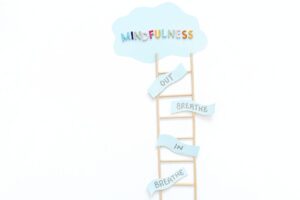
Sit comfortably, hands resting gently. Bring awareness to your breath. No need to change it—just notice. Begin to sense your breath as a kind companion.
As you inhale, imagine breathing in care…
As you exhale, imagine releasing tension.
If you like, silently say:
Inhale: “Breathing in kindness.”
Exhale: “Breathing out ease.”
Let the breath be your anchor and your support.
📝What did you notice in your body, thoughts, or emotions? Take a moment to journal.
Remember: Growth Takes Time
Self-compassion is a skill like any other—it takes practice and patience. If you notice resistance or discomfort, that’s okay. Change is rarely linear, and setbacks are a natural part of the process. With each step, you are building a foundation for deeper healing and resilience.
If you’re struggling to practice self-compassion on your own, know that therapy offers a safe space to explore these challenges. Together, we can uncover the roots of your self-criticism and develop new ways of relating to yourself that support your mental health and well-being.
You are worthy of kindness, especially from yourself. Embracing self-compassion is not only a gift to yourself but also a vital ingredient in the journey toward healing and growth.

Exercise: Compassionate Letter Writing
Think of something you’ve been hard on yourself for. Now, imagine someone who loves you unconditionally—what would they say to you right now? Begin your letter with kindness. For example:
- “Dear [your name], I know this has been really difficult for you…”
- Use kind, understanding, and encouraging words.
When finished, read it aloud or silently. Let it soak in.
For more information on self-compassion, check out the work of Dr. Kristin Neff.