
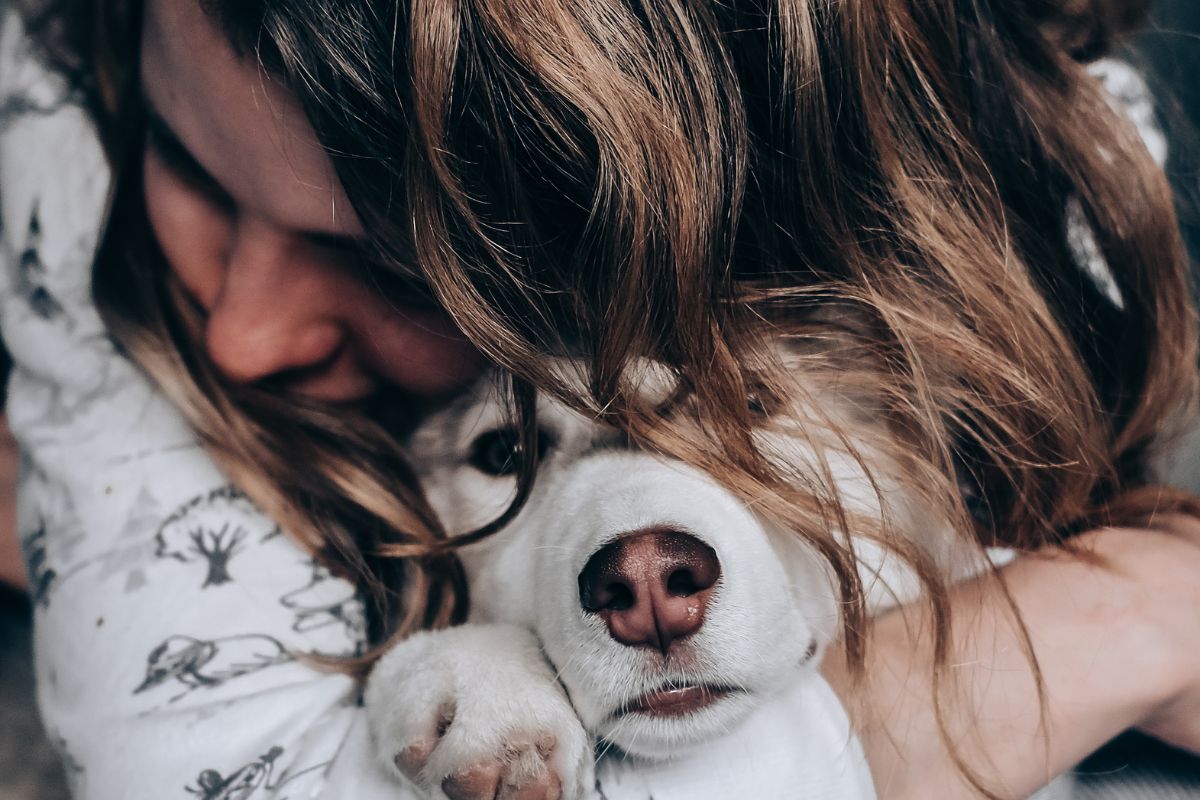
My Best Friend
Almost three years ago, I lost my best friend. She was the best listener, always gave me hugs, comforted me when I was sad, and was there for me through everything. Her big, brown eyes always softened with love anytime she saw me. Her smile was my favorite. She and I were together for 13 years.
Every time I think about her, my chest tightens and I can feel tears welling behind my eyes. It doesn’t matter that 1) she was a dog and 2) it’s been three years since she passed. Let me tell you why.

The Bond Between Humans and Animals
Her being a dog does not make the grief any less. For those who have not experienced deep connection with an animal, it is much like a relationship with another person. For many, a bond between pet and human can emulate family relationships. Pets of all kinds provide comfort during difficult moments, build fond memories, and implement structure and daily routines.
My dog was there in a span of 13 years for graduations, moving homes, the birth of my son, relationship beginnings and endings, and so much more. She and I went on trips together (camping was her favorite!), family nighttime walks, and hikes. There’s an unexplainable love that exists with animals and their humans. In many ways, she taught me love.

The Science Behind Our Connection
While love is pretty abstract, this type of bond makes sense even from a scientific perspective when thinking of attachment theory. Human beings are built and wired for connection. We seek relationships that provide safety, security and comfort, especially during times of stress.
Initially, this bond begins with our parents/caregivers, but what I learned through personal experience is that this can manifest through animal/human relationships as well. She was the constant. No matter what I went through, she loved me, comforted me, and was always game for some sort of adventure.

This is where there is capacity for even closer relationships than between humans, because pets are not privy to communicating social judgments, criticisms, or expectations. They tend to be content with basic needs being met and forthcoming with an abundance of love and affection as a result.
Why Pet Loss Can Feel So Painful
The second common misconception mentioned earlier was that because it was pet loss, the grief should be shorter or not as big as if it were a human loss. Three years may seem like a long time, but as bereavement counselor Lois Tonkin so eloquently states, “You don’t get over grief. You grow around it.”
Grief is one of the most complex emotions we can experience. It can come not only with death, but loss in various forms—relationship endings, moving, losing a job, etc. There are many layers to grief.

With losing a pet, misunderstandings from others on the grief severity can further exacerbate loneliness and confusion. Grief can impact emotional, physical and mental well-being.
It can show up as:
- Distractedness
- Changes in appetite or sleep
- Isolation
- Sadness or tearfulness
- Anger or irritability
- Forgetfulness/“grief brain”
- Substance use
- And more
Finding Ways to Navigate Pet Loss
When I lost my dog, some of the most helpful things in navigating that grief was having a burial for her, printing out pictures, getting her paw print for traditions in holidays, sharing with others my feelings and need for support, and counseling.

Everyone’s grief shows up differently, but if you start to notice that your grief is impacting one or more of these areas of your life, getting some additional support can be a beneficial way to process that grief.
There is no timeline for grief, so please be gentle with yourself or others experiencing pet loss.
Written 6/29/26