



When Rest Helps–and When It Doesn’t
Burnout rarely arrives as one dramatic collapse. More often, it’s a slow leak: you’re tired all the time, even after sleeping. Little things get under your skin. You feel flat or numb, like you’re just going through the motions. Concentration slips–you reread the same email three times and still don’t absorb it. You start dreading work, caregiving, or even basic tasks you used to handle. Mistakes and missed details show up more often, and conflicts–at home or on the job–can flare because your patience is wearing thin.
Rest does help with regular tiredness. After a long week, a solid night of sleep, a quieter weekend, or a day off can genuinely reset you. Burnout is different. With burnout, you might rest and feel a bit better… and then that heavy feeling comes right back. Sometimes it returns the moment you open your laptop or step back into the building.
This is why rest won’t fix burnout when the stressors are still sitting there unchanged. If the workload, expectations, lack of control, or emotional strain are the same, rest turns into a brief pause before the next wave hits. You’re not “bad at resting.” You’re dealing with a situation that keeps taking more out of you than you can restore.
Think of it as a recovery gap: your daily demands keep exceeding your time, energy, and support. In that gap, rest acts like a temporary patch. It helps you get through the week, but it doesn’t change what caused the burnout in the first place.
It also makes sense if you have mixed feelings about rest. You might feel guilty for needing it, worry you’ll fall behind, or feel pressure to be “fine” after a weekend off–as if two days should erase months of strain.
Quick self-check
- Do I feel dread on Sunday night, even if the weekend was calm?
- Does time off make me anxious about the backlog waiting for me?
- After resting, do my symptoms return within a day or two?
- Am I resting more but still feeling less capable or more on edge?
If you’re nodding along, you may need steps to fix burnout that aren’t rest–changes that reduce the load and rebuild support–alongside practical coping tools that help you make it through the day.
What Burnout Really Is: A System Problem, Not a Personal Failure
Burnout isn’t the same as being tired. It’s long-term stress that slowly drains your energy, motivation, and sense that what you do matters. Over time, your body and mind can start acting like they’re stuck in “too much” mode. This isn’t a character flaw or proof you’re weak. It’s often what happens when the demands on you don’t match the time, support, and control you actually have.
Burnout often shows up in three connected ways:
- Exhaustion: You wake up tired, crash after small tasks, or feel like you’re running on fumes even after sleep.
- Cynicism or withdrawal: You feel numb, irritable, or detached. You care less, avoid people, or do the bare minimum just to get through.
- Feeling ineffective: You doubt yourself, simple tasks take longer, or you feel like you’re failing even when you’re trying hard.
Burnout is also fueled by common workplace and life conditions, such as:
- Too much work and too little time
- Too little control (no say in deadlines, schedule, or how work gets done)
- Unclear roles or shifting expectations
- Unfairness or inconsistent rules
- Lack of recognition or support
- Value conflicts (you’re asked to do things that feel wrong or pointless)
- Constant interruptions that prevent real focus
Modern life adds extra fuel: always-on messages, blurred lines between work and home, caregiving responsibilities, financial stress, and social pressure to “keep up.” In that world, rest won’t fix burnout if you return to the same workload, the same expectations, and the same lack of support. Rest can help you catch your breath, but it doesn’t remove what’s creating the strain.
Burnout can overlap with depression or anxiety, and sometimes it’s hard to tell them apart. If symptoms are severe, last for weeks, or include hopelessness or thoughts of self-harm, reach out to a mental health professional or call/text 988 in the U.S. for immediate support.
Find the Leaks: Identify What’s Draining You (and What You Can Change)
If rest won’t fix burnout, the next step is to figure out what’s “leaking” your time, energy, and emotional capacity. Picture a simple burnout map with four buckets:
- Demands: What’s being asked of you (tasks, deadlines, caregiving, nonstop messages).
- Control: How much say you have (schedule, priorities, how work gets done).
- Support: Who or what helps (people, tools, training, clear expectations).
- Recovery: What actually refuels you (sleep, food, movement, downtime, connection).
Try this for one week: Do a quick daily “energy check.” You don’t need a fancy journal–your notes app is enough.
- List your top energy drains (tasks, people, environments, times of day).
- List your energy gains (even small ones–quiet time, a walk, finishing one clear task).
- Note what was happening right before you felt your mood drop or your body tense.
Also watch for hidden drains that don’t show up on a to-do list:
- Decision fatigue: Too many small choices all day.
- Perfectionism: Spending extra time to avoid mistakes or judgment.
- Unclear priorities: Everything feels urgent, so nothing feels manageable.
- Conflict avoidance: Saying yes to prevent tension, then resenting it later.
- Constant context switching: Bouncing between emails, texts, meetings, and tasks.
- Emotional labor: Managing other people’s feelings, smoothing problems, staying “pleasant” no matter what.
Next, sort your tasks–without shame–into: must do, nice to do, and someone else can do. Burnout often starts to ease when you stop treating “nice” like “required.”
You can also notice patterns that make rest less effective: late-night scrolling, irregular meals, caffeine swings, alcohol as stress relief, and skipping movement. These don’t mean you’re doing anything “wrong.” They’re signals about what your body is trying to cope with.
Finally, choose one or two high-impact targets to change first. Trying to fix everything at once can become another leak.
Boundaries That Reduce Burnout (Not Just More Willpower)
Boundaries aren’t punishments, threats, or a way to shut people out. They’re simple rules about access to your time, attention, and energy. If you’re burned out, the goal isn’t to become tougher. It’s to lower the ongoing load so your recovery time can actually do its job.
Work boundaries: make the job fit inside the day
- Set start/stop times: Pick a realistic end time and treat it like a meeting you can’t miss.
- Limit after-hours messaging: Turn off notifications, or set an auto-reply after a certain hour.
- Protect focus blocks: Schedule 60-90 minutes for deep work and mark it “busy.”
- Reduce meeting load: Ask, “Can I skip this?” “Can we do 15 minutes?” or “Can this be an email?”
- Clarify priorities: Don’t carry the whole “urgent” pile alone.
Home boundaries: reduce the mental load
- Share the planning: Don’t just split chores–split remembering, scheduling, and noticing.
- Create no-task zones/times: For example, no chores after 8 p.m. or no errands on Sunday mornings.
- Use simple routines: A repeating meal plan, a set laundry day, or a short nightly reset cuts decision fatigue.
People boundaries: protect your emotional energy
- Limit draining conversations: Shorten calls, change topics, or end earlier than usual.
- Practice saying no: “I can’t take that on right now.”
- Set expectations: “I can listen for 10 minutes, then I need to switch to something else.”
If disappointing others or triggering conflict feels scary, try a step-down approach: start small (one focus block, one “no,” one after-hours limit), then build. These are key steps to fix burnout that aren’t rest because they change the load you return to. They’re also practical coping tools you can use even when your energy is low.
Support and Systems: Don’t Recover in Isolation

Burnout often gets worse when it stays hidden. When you feel ashamed, try to “power through,” or mask how bad it is, you end up carrying everything alone. And isolation shrinks your options: you can’t adjust work, share caregiving, or get help if no one knows what’s going on. Connection doesn’t erase stress, but it can reduce it–and it can open the door to real change. That’s a big reason rest won’t fix burnout by itself.
At work: ask for specific changes (not just “I’m overwhelmed”)
- Get role clarity: “Which tasks are top priority this week? What can wait?”
- Renegotiate deadlines: Offer two realistic options: “I can deliver A by Tuesday or A+B by Friday–what do you prefer?”
- Request training or tools: Templates, software access, a short training, or a buddy system can cut hours of struggle.
- Document your workload: Track tasks, time, and interruptions for 1-2 weeks so you can show patterns.
- Propose a fix: “If we rotate the on-call duty” or “If we cap meetings to 30 minutes,” instead of only naming the problem.
If you’re a caregiver: build in relief on purpose
- Identify respite options: Family, friends, adult day programs, faith communities, or local nonprofits.
- Rotate tasks: Split hands-on care, errands, and paperwork–one person shouldn’t own all of it.
- Use community resources: Meal trains, transportation services, support lines, and condition-specific groups.
- Set realistic standards: Aim for safe and “good enough,” not perfect.
Professional support: what it can look like
Therapy or coaching can help you sort priorities, practice boundary scripts, and manage stress responses. An EAP (Employee Assistance Program) may offer a few free sessions or referrals. Support groups can reduce loneliness and offer ideas that fit real life.
If your fatigue is extreme or sudden, consider a medical check-in to rule out sleep disorders, anemia, thyroid issues, or medication side effects.
A simple way to ask for help
Template: “I’m struggling with [what]. I need [specific help] by [when]. Can you do that, or can we find another option?”
Alongside bigger changes, use in-the-moment coping tools: a 30-second grounding skill (name five things you see), a brief breathing reset (inhale for 4, exhale for 6 for one minute), and “good enough” planning (pick one must-do, one helpful, one that can wait). These are steps to fix burnout that aren’t rest, and they work best when you’re not doing it alone.
A Sustainable Reset: Build a Life That Doesn’t Keep Re-Burning You Out
Rest is part of recovery. Sleep, breaks, and time off matter. But rest won’t fix burnout if you step right back into the same pressures, expectations, and nonstop access. A sustainable reset means changing the setup–not just catching your breath and jumping back in.
A simple 2-week reset plan
For the next two weeks, choose one item in each category. Keep it modest. You’re building traction.
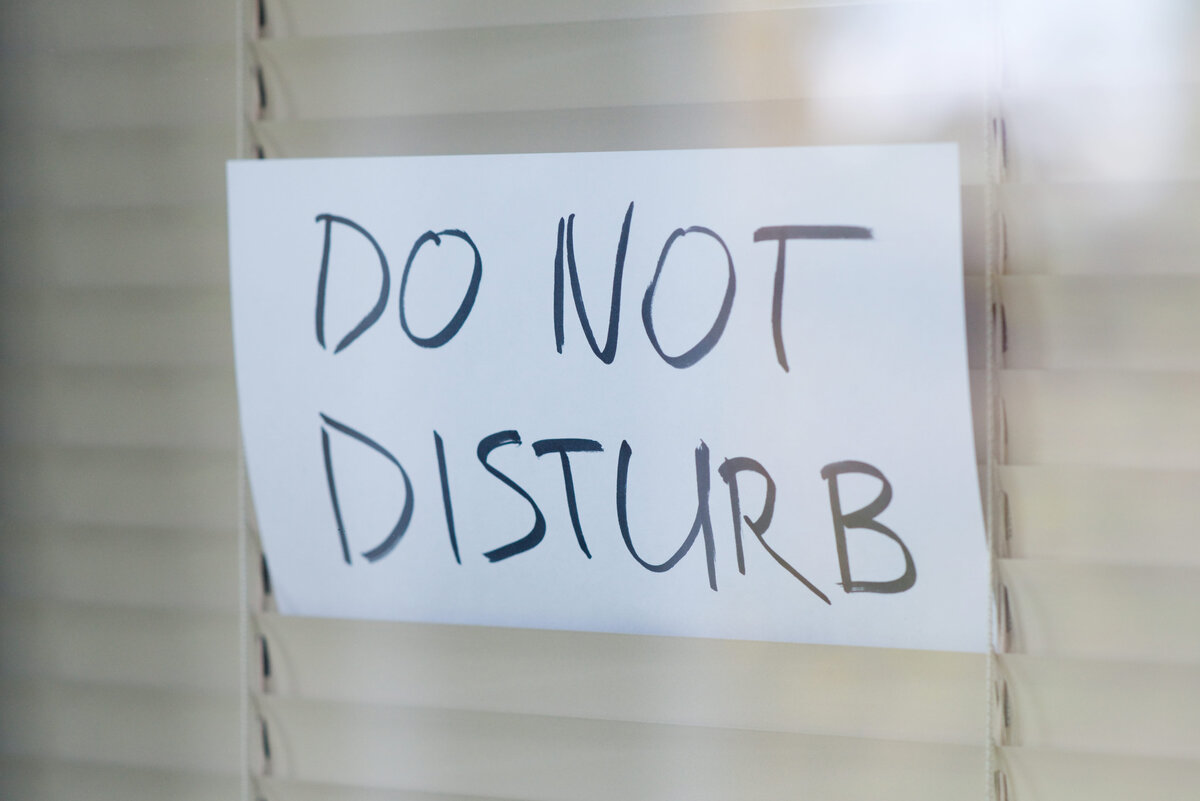
- One boundary: Pick a clear rule. Examples: “No work email after 7 p.m.,” “Phone on Do Not Disturb during dinner,” or “I don’t take calls while driving.”
- One workload change: Remove or shrink something. Examples: cancel one optional meeting, cap meetings at 30 minutes, batch errands into one trip, or pause one “nice-to-do” project.
- One support action: Ask for specific help. Examples: talk to your manager about priorities, ask a partner to own one household task (including planning it), or schedule a therapy/EAP appointment.
- One daily recovery habit: Choose something that fits your current life: a 10-minute walk, a consistent wake time, a basic breakfast, a screen cut-off (like no scrolling after 10 p.m.), or five minutes of stretching.
Do a quick values check
Burnout often grows when your calendar doesn’t match what matters. Write down your top 2-3 values (examples: health, family, creativity, stability). Then ask: “What am I saying yes to that pulls me away from these?” Pick one commitment to reduce, delay, or renegotiate.
Keep it steady with tiny systems
- Weekly planning check-in: 15 minutes to choose your top three priorities and one recovery block.
- Meal basics: Repeat a few easy options to cut decision fatigue.
- Short walks: Even 5-10 minutes counts.
Notice early signs and respond fast
Watch for clues like a short temper, dread, sleep changes, headaches, or “everything feels too hard.” When you notice them, adjust quickly: lighten one commitment, add support, or tighten one boundary for a week. These are steps to fix burnout that aren’t rest, and they’re practical coping tools you can come back to again and again.
You don’t need a perfect plan. Just take the next right step. You deserve support, and you deserve expectations that actually fit a human life.