
When One More Yes Becomes Too Much
It can happen in a moment. A friend texts at 5:20 p.m. asking if you can help with one more thing. Your day is already full, your shoulders are tight, and dinner plans are starting to slide. Still, you type, “Sure, no problem.” Maybe you even add a smiley face. Later that night, after the errand, the extra call, and the last-minute change of plans, you might find yourself snapping at your partner, staring at the sink, or feeling unexpectedly close to tears. On the outside, you were helpful. On the inside, you may feel completely drained.
For many people, this is not about being “bad at boundaries” or not caring enough about rest. It can be an automatic yes habit, a quick, almost reflexive agreement that keeps things smooth in the moment while quietly draining your time, rest, and emotional energy. Because this habit is often praised, the cost can be easy to miss. Other people may see someone dependable and easygoing. Meanwhile, your body may be carrying the strain.
If you have ever wondered, “Why do I feel so worn out when I’m trying so hard to be helpful, responsible, and easy to be around?” you are not alone. That question often sits underneath people pleasing and burnout. The exhaustion usually does not come from one major mistake. More often, it builds through many small moments of leaving yourself out: saying yes before checking your capacity, apologizing for having needs, and pushing past your own signals to keep others comfortable.
This does not mean you are selfish, weak, or broken. In many cases, these habits make sense when you view them as learned relationship patterns and nervous-system responses. The nervous system is the body’s built-in safety system. Sometimes it reacts before the thinking part of the mind has time to choose, especially if keeping the peace has felt important for a long time. That is part of why the pattern can feel so automatic, and why change often begins with noticing instead of blaming.
Why the Automatic Yes Happens so Fast
The automatic yes habit means agreeing before you check your time, energy, desire, or the likely cost. It can sound like, “Of course,” “No worries,” or “I can do that,” even when part of you feels tired, pressured, or unsure. For many people, it happens so quickly that the real answer shows up later as tension, exhaustion, or resentment buildup.
A fast yes is often less about kindness and more about protection. You might worry about disappointing someone, fear that a pause will seem rude, or want to avoid conflict before it starts. Some people learned early that being easy, useful, or low-maintenance helped relationships stay calm. In families, schools, or workplaces where needs were ignored, criticized, or treated as “too much,” quick agreement may have become a way to stay connected and lower stress.

There is also a body-level piece. Nervous-system activation is the body’s alarm response. When it senses possible conflict, disapproval, or tension, it can push you to act fast to get back to safety. For some people, that looks like appeasing, which means smoothing things over to keep the peace. For others, it may look like freezing, going blank, or rushing to answer before they have fully thought it through.
That is one reason boundary guilt can feel so intense. Even a simple pause like “Let me check” may feel risky in your body, even when the request is reasonable to decline. The risk is often emotional, not physical, “What if they are upset?” “What if I seem selfish?” “What if this changes how they see me?” When that alarm goes off, saying yes can feel like the fastest way to make the discomfort stop.
Imagine Maya getting a message from her manager at 4:55 p.m, “Can you stay late and finish this?” Her stomach drops, but she types “Sure” before she even notices she is clenching her jaw. A small shift might be pausing long enough to place both feet on the floor and say, “I need ten minutes to check what I can realistically finish today.”
In therapy, a common starting point is not forcing a perfect “no.” It is often learning to slow the moment down enough to notice what is happening inside you before you answer: tight chest, racing thoughts, guilt, fear, or the urge to fix. That pause may feel unfamiliar at first, but for many people, it is where change starts.
The Hidden Costs: Over-apologizing, Energy Leaks, and Resentment Buildup
One hidden cost of the automatic yes habit is over-apologizing. Over-apologizing means saying sorry for normal human things: needing time, asking a question, taking up space, or setting a limit. For many people, it sounds polite on the surface, but underneath it can become a form of self-erasure. Instead of speaking as if your needs matter, you may start speaking as if your needs are a problem.
This can show up in small ways throughout the day, “Sorry, this is probably dumb,” “Sorry for bothering you,” or “Sorry, I can’t stay late.” A gentler shift often starts with removing the apology when no harm was done. Consider replacing “Sorry, this is probably dumb” with “I have a question.” Instead of “Sorry, I need to leave on time,” you might try, “I need to leave at 5 today.” If this feels right for you, that change can help you practice speaking with less self-dismissal.
The next cost is time and energy leakage. One fast yes may not seem like much. But repeated small yeses can quietly drain a week. You agree to one extra task, answer messages late at night, cover for a coworker, or take on family planning because it feels easier than disappointing someone. Then the recovery happens on your side: less sleep, skipped meals, canceled rest, or no time to decompress. That is one way burnout can feed on this pattern.
Resentment buildup is another common signal. Resentment is not proof that you are unkind. Often, it is a warning light that says, “I have been giving past my real capacity.” Many people then feel guilty for being resentful, which can make the pattern even harder to see. The cycle often looks like this, a quick yes, temporary relief, later stress, quiet resentment, guilt for feeling resentful, then another quick yes to smooth things over again.

Imagine Jordan getting a text from a sibling, “Can you pick up Mom’s prescription too?” Jordan is already behind on work and has not eaten dinner, but replies, “Yep, got it.” At 10 p.m., Jordan is finishing emails, feeling angry and ashamed for feeling angry. A small interrupt might be, “Let me check and get back to you in 15 minutes.” For many people, that pause creates enough space to notice what is actually possible.
If you are noticing this pattern, consider treating resentment as information, not a character flaw. This may not work for everyone all at once. Often, a more doable first step is noticing where your yes is costing sleep, care, or peace.
Key Points
- Over-apologizing can shrink your voice by framing normal needs and limits as something to feel sorry for.
- Repeated small yeses often create time and energy leaks, especially when you make up for them by losing sleep or skipping your own care.
- Resentment buildup is often a warning signal that you have been giving beyond your real capacity, not evidence that you are a bad person.
How to Pause Before You Agree
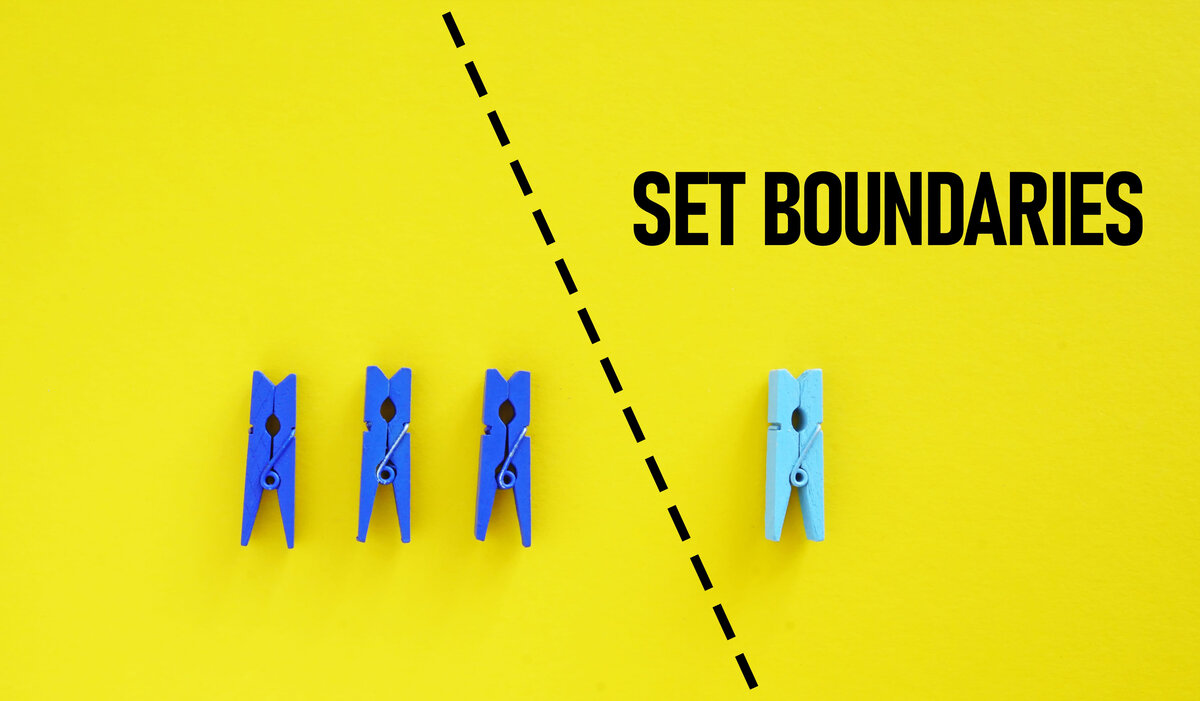
For many people, the goal is not to become cold or unhelpful. It is to create a small gap between the request and your answer. That gap can help you notice whether your response is coming from choice or from pressure, fear, or habit. If this feels right for you, think of the pause as a reset button, not a rejection.
These tools are meant to be simple enough to use in real time. You do not need to use all of them at once. Often, one short script and one quick check of your body are enough to interrupt the automatic yes habit before it takes over.
Four Tools to Slow the Moment Down
- Use a pause script. Pick one sentence now, practice saying it out loud, and use it before you decide. Consider, “Let me check and get back to you,” “I need a minute to look at my schedule,” or “Can I text you later today?” This often helps when you feel rushed, put on the spot, or tempted to answer before thinking. One example is, “Thanks for asking. Let me check what I have bandwidth for, and I’ll get back to you by 3.”
- Do a body check. Pause for one breath and notice whether you have a tight chest, a stomach drop, jaw tension, or mental fog. These signals do not automatically mean “say no,” but they often mean “slow down and assess.” This can be useful right after a request, especially if your mouth says yes before your body has caught up. If body-based exercises increase distress, scale back or discuss them with a clinician.
- Do a capacity check. Ask yourself four quick questions: Do I have time? Do I want to? What will this cost me later? What would I need to make this workable? This can help when a request seems small but may create stress later. You might notice, “I could help for 20 minutes, but not if it means skipping dinner and finishing my own work at 10 p.m.”
- Use a boundary script. Choose a gentle yes, no, or not-now response that fits the relationship. At work, “I can help with this part, but I can’t stay late today.” With family, “I can’t do tonight, but I can call tomorrow.” With a friend, “I’m not up for hosting this week, but I’d love to plan for next month.” For many people, this feels easier after checking actual capacity first.
A Quick Real-Life Example
A coworker stops by at 4:40 p.m. and says, “Can you finish these slides for me tonight?” Sam feels the urge to say yes right away. Then Sam notices a stomach drop and tight shoulders, uses the pause script, and says, “Let me check what I can realistically do before end of day.” Two minutes later, after a capacity check, Sam replies, “I can’t finish the whole deck tonight, but I can clean up the first three slides before I leave.”
What Therapy for People-Pleasing Often Looks Like
Therapy for this pattern often starts with slowing things down, not blaming you for being “too nice.” A therapist may help you notice what happens right before an automatic yes, the body tension, the fear of disappointing someone, the harsh self-talk, or the old belief that your needs will cause problems. From there, the work is often about understanding triggers, practicing new responses, and building enough steadiness to tolerate the discomfort that can come with change.

You may also hear the phrase window of tolerance, which means the range where you can feel emotions without getting overwhelmed or shutting down. If saying no has felt risky in past relationships, that range may get narrow very quickly during conflict or even mild disapproval. Therapy often aims to expand that range gradually, so you can feel guilt, anxiety, or tension without instantly giving in just to make the feeling stop.
For many people, this work is skill-based. That can include identifying your values, tracking resentment buildup as useful information, challenging self-blaming thoughts, and rehearsing boundary conversations out loud. In work around this pattern, the goal is often not dramatic confrontation. More often, it is small experiments that help you feel safer using your voice. It can also help to have realistic therapy expectations. Change is often gradual, and practicing a pause may come before confidently saying no.
What Support May Include
- Noticing patterns by tracking when you over-apologize, say yes too fast, or feel resentment later.
- Practicing scripts such as “I can’t do that tonight,” “I need time to think,” or “I can help for 30 minutes, not the whole afternoon.”
- Pacing change by starting with lower-stakes situations before harder relationship conversations, if this feels right for you.
- Building a sense of safety, because many people need support learning that limits can feel uncomfortable without being dangerous.
When Extra Support may be Worth Considering
Consider reaching out for added help if burnout is affecting your sleep, work, relationships, or physical health, or if guilt and fear make boundaries feel nearly impossible. Therapy can simply be a place to practice, reflect, and move at a manageable pace.
If you’re in immediate danger or thinking about harming yourself, call 988 (Suicide and Crisis Lifeline) or your local emergency services.
A Gentler Way to Start Changing the Pattern
You do not have to become hard, distant, or unavailable to make a change. For many people, the goal is something steadier: being more honest about limits so relationships can feel more sustainable. Quick agreement, over-apologizing, and quiet resentment are not proof that you are failing. Often, they are signals that something in you needs care, rest, or more room to tell the truth.
If this pattern feels deeply rooted, that makes sense. Many people learned these habits for good reasons, and change often happens in small steps. Even a brief pause can begin to shift the cycle. Maya gets a group text asking who can organize the office lunch. Her fingers start typing “I can do it,” then she stops and uses her pause phrase, “Let me check my schedule and reply in an hour.” That one sentence gives her enough space to notice she is already overloaded.
Consider ending this week with three simple next steps:
- Choose one pause phrase and keep it where you can see it: “Let me get back to you” or “I need to check first.”
- Notice one apology you can remove, especially when you are not doing anything wrong: “I have a question” instead of “Sorry, quick question.”
- Track one moment of resentment and ask, “What did this cost me?”
If this feels hard to do alone, support can help. A therapist may help you practice at a pace that feels safer and more doable. Protecting your energy does not usually make you less kind. Often, it makes your kindness more genuine, more chosen, and easier to sustain.