
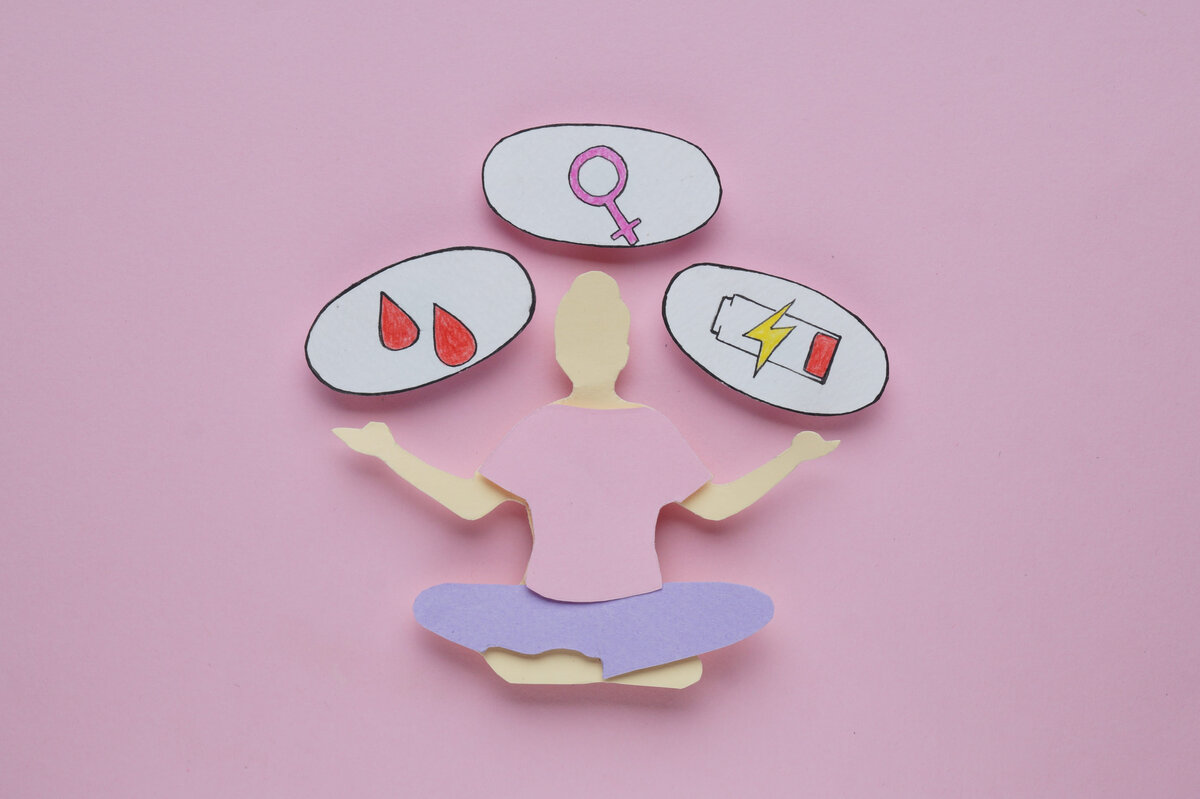
When Hope and Fear Show Up Together
Pregnancy after a loss can feel like you’re living in two worlds at once. You might feel excited one moment and terrified the next. Some people feel guilty for feeling hopeful, or guilty for not feeling joyful. Others feel numb, guarded, or convinced something will go wrong. These mixed emotions can sit side by side, and they don’t mean you care about this pregnancy any less.
Anxiety During Pregnancy After a Loss often shows up as a “worry loop” you can’t shut off. You may catch yourself checking your body for signs, replaying memories, or searching for reassurance over and over. Sleep can get harder, especially the night before an appointment. You might also feel afraid to bond–like getting attached could make any bad news hurt more. These reactions are common when your brain is trying to protect you from being blindsided again.
Certain moments can make anxiety spike, even if things are going well:
- The early weeks, when symptoms change day to day
- Spotting, cramps, or any new sensation
- Anniversaries of the loss or the due date
- Hearing someone else’s pregnancy news
- Waiting between scans and appointments
Feeling anxious isn’t a sign that you’re ungrateful. It’s a normal response to a painful experience.
If anxiety turns into panic, constant distress, trouble functioning at work or home, or thoughts of self-harm, you deserve extra support. Reach out to your healthcare provider, a therapist, or the National Maternal Mental Health Hotline right away.
Why Anxiety Feels Harder After a Loss (And Why It Makes Sense)
After a pregnancy loss, your mind may shift to “prevent it from happening again” mode. That can look like constantly scanning for signs, replaying worst-case scenarios, or feeling unable to relax. It’s not because you’re weak or negative. It’s because your brain learned that something painful can happen without warning, and it’s trying to keep you safe by staying on high alert.
Individuals and their partners who experience a miscarriage want to understand why the miscarriage occurred, how they can prevent a future miscarriage, what the chances are for a subsequent pregnancy to result in a healthy baby, and how to handle their grief centered around their loss (Quenby et al., 2021).
After experiencing a loss, the unknown can feel especially threatening rather than simply unpredictable. Pregnancy naturally involves many unanswered questions, particularly in the weeks between appointments. When certainty isn’t possible, your brain may try to create a sense of safety by constantly searching for answers, checking for signs that everything is okay, seeking reassurance from others, or preparing for the worst in an effort to feel more in control.
A past loss can change how you interpret normal sensations. A twinge, cramp, or drop in symptoms might be a typical part of pregnancy, but your body remembers fear. So every change can feel like danger, even when nothing is wrong.
Common thinking patterns include:
- Catastrophizing: jumping from “I feel a cramp” to “I’m losing the baby.”
- Protective vigilance: “If I relax, something bad will happen”
- Comparing: measuring this pregnancy against the last one (“Last time I had this symptom, it ended badly.”).
Your anxiety is understandable. And while you can’t control every outcome, you can build skills to steady your mind and body through the waiting.
Know Your Triggers: The Scan-to-Scan Stress Cycle

Many people notice a “scan-to-scan” pattern in Anxiety After Pregnancy Loss. You feel calmer right after a reassuring ultrasound, lab result, or appointment. Then, as the next check gets closer, anxiety slowly climbs. Your brain may treat the time between visits like a danger zone because last time, things changed without warning.
Common triggers include:
- Ultrasound days (and the days right before)
- Waiting for NIPT or other genetic testing results (NIPT is a blood test that screens for certain chromosome conditions)
- Doppler heartbeat checks (a handheld device used to listen to the heartbeat)
- Reduced symptoms or new sensations (i.e., less nausea)
- Seeing pregnancy announcements on social media
- Invitations to baby showers
- Being asked, “How are you feeling?”
Your body often signals stress before your mind catches up. Watch for early warning signs like a tight chest, nausea, irritability, insomnia, checking for bleeding, or repeated Googling for reassurance.
Try a simple trigger log for one to two weeks:
- Situation/Event: What happened (or what’s coming up)?
- Thoughts: What did your mind say?
- Body: What did you feel physically?
- What helped or didn’t: a walk, calling a friend, avoiding forums, etc.
Once you see your pattern, plan for high-trigger days. Build in extra support, lighter tasks, and calming routines. Work to thrive rather than to survive.
What to Do in the Moment: Quick Tools for a Racing Mind
When Anxiety During Pregnancy After a Loss spikes, your goal isn’t to “fix” the fear. It’s to help your body step down from alarm mode so you can get through the next few minutes.
Ground your body first (Length: 30-60 seconds)
- 5-4-3-2-1 senses check: Name 5 things you see, 4 things you feel (i.e., your feet in your shoes, the chair beneath you, the texture of your clothing) , 3 things you hear, 2 things you can smell, and 1 item you can taste. Slow down and really notice each one.
- Feet-on-floor reset: Press both feet into the ground. Notice your heels. Gently push down for 5 seconds, release for 5 seconds, and repeat a few times.
- Name objects in the room: “Door. Window. Blue chair. Clock.” This pulls your brain out of the spiral and back into the present.
Use a simple breathing pattern (Length: 2-3 minutes)
Try making your exhale longer than your inhale. For example: inhale for 4 seconds, exhale for 6 seconds. Keep it gentle. If counting stresses you out, just focus on a “longer out-breath.”
Interrupt the worry loop with a short script
- “I’m having the thought that something is wrong.”
- “Right now I don’t have new information.”
- “My job is to get through today or this appointment.”
These phrases don’t erase fear. They create some space between you and the worst-case story.
Watch for reassurance-seeking that backfires
Constant symptom checking or repeated online searches can turn the volume up on anxiety. Consider a “one-check rule”: check once or schedule short time frame, then shift to a grounding tool.
Make a small calming kit for upcoming appointments
Items can include:
- Water and a snack.
- Headphones to play music with, listen to a podcast, or white noise.
- A supportive friend/family member you can chat with.
- A grounding and/or a fidget toy (i.e., a smooth stone, essential oils, spinner rings).
Between Appointments: Daily Habits That Lower the Volume on Worry
Between appointments, your mind may try to fill in the blanks with worst-case stories. These small routines won’t erase Anxiety During Pregnancy After a Loss, but they can reduce stress over time. Pick one or two to start and practice on low-energy days.
Set a “worry window” (Length: 10-15 minutes)
Choose a window of time to during the day to write down worries, questions for your provider, and “what if” thoughts. When the timer ends, close the notebook and tell yourself, “I can return to this tomorrow.” If worries pop up later, jot a quick note that says “save for worry window” and go back to what you were doing.
Gentle movement and sleep basics
- Movement: a 10-minute walk, light stretching, or slow yoga can help your body release tension.
- Keep bedtime steady: aim for a similar sleep and wake time most days.
- Reduce late-night scrolling: set a “phone down” time (even 20 minutes helps). If you wake up, try a dim light and a calm activity instead of searching symptoms.
Media boundaries that protect your peace
- Pick one trusted source for pregnancy info (i.e., your provider or a respected health website, and peer-reviewed scholarly articles).
- Avoid forums when you’re already activated. Other people’s stories can fuel fear.
- Mute or unfollow accounts that trigger comparisons, loss content, or constant pregnancy updates.
Connect to the pregnancy at your pace
Try a 30-second daily check-in: a hand on your belly, one sentence in a journal, or “Today I’m here.” If bonding feels scary, you don’t have to force it. Gentle contact counts.
Supportive self-talk:
- “This is a different pregnancy.”
- “I can’t control everything, but I can care for myself today.”
- “I can feel scared and still take the next step.”
Making a Plan for Ultrasounds, Tests, and Big Milestones

High-stress appointments can intensify Anxiety During Pregnancy After A Loss. Having a simple plan can help you feel steadier and less blindsided.
Before the appointment: set yourself up
- Write your top 3 questions: Keep them short and specific . Here are some examples, “What will you be checking today?” “When will I get results?” “What should I watch for after this?”.
- Decide who comes with you: A partner, friend, or family member can take notes, hold your hand, or simply be a calm presence. If you prefer privacy, that’s okay too.
- Plan transportation and time off: If possible, avoid rushing from work to the clinic. Build in extra time for parking, paperwork, and emotions.
- Eat and hydrate (if allowed): Low blood sugar and dehydration can make anxiety feel worse. Follow any fasting instructions your clinic gives you.
Ask for what you need in the room
- Request a slower walkthrough or clear, simple language.
- Ask if you can write notes or record key points (office and clinic policies may vary).
- If you feel overwhelmed, ask for a brief pause to breathe or regroup.
Discuss reassurance options (if available)
Some clinics can offer an early viability scan, extra reassurance visits, or later-on heartbeat checks. Availability and policies vary, so it’s okay to ask what your clinic can do.
Create a “results waiting plan”
- Who will you call or text after the appointment?
- What will you do that day to stay grounded (a simple work list, a show, a walk)?
- How will you handle worst-case thoughts? Try: “I don’t have the results yet. I can’t solve this in my head.”
After the appointment: decompress on purpose
Schedule a gentle landing: quiet time, a short walk, a shower, or a favorite meal. If you can, avoid jumping straight into the most stressful part of your day.
Support That Helps: Partners, Friends, and Professional Care
Anxiety During Pregnancy After a Loss often gets louder in isolation. Sharing the fear with safe people can make it feel more manageable. Practical help matters too. Schedule rides with others to appointments, share meals with loved ones, schedule childcare, or have someone to sit with you after a scan.
Partners or close support people: How to show up
- What to say: “I’m here.” “I’m scared too.” “Do you want comfort, problem-solving, or distraction?”
- What not to say: “Just relax.” “At least you can get pregnant.” “This time will be fine.” Even when meant kindly, it can feel like pressure.
- On appointment days: Offer to come along, drive, hold their hand, take notes, and run interference with calls or texts. Plan some time to transition after with a walk, food, or some quite time together.
Setting Boundaries: What that can look like with others.
- “We’re taking this one appointment at a time. I may not share updates right away.”
- “Please don’t ask about symptoms. If there’s news, I’ll tell you.”
- “A simple ‘thinking of you’ text helps. Please skip advice unless I ask.”
Peer support: people who get it
Look for pregnancy-after-loss groups either locally or online, moderated communities, or grief support groups. Being with others who understand can reduce shame and loneliness.
When to consider therapy or medication
Consider extra help if you have frequent panic, intrusive thoughts, can’t sleep or eat, or if past trauma is getting stirred up again. A therapist with perinatal mental health training can help. You can also talk with your OB, midwife, or primary care clinician about options, including medication during pregnancy.
Moving Forward, One Week at a Time
Anxiety During Pregnancy After a Loss often comes in waves. You might feel okay for a few days, then get hit with fear again. A hard day doesn’t erase your progress. It just means today is hard.
Try a “next right step” mindset: instead of carrying the whole pregnancy in your mind, focus on what you need today. Today might be food, rest, a walk, a question for your provider, or simply getting through the next hour.
- Identify triggers: What tends to spike worry (scan dates, certain apps, specific times of day)?
- Pick 2 in-the-moment tools: For example, the 5-4-3-2-1 senses check and a longer exhale.
- Set 1 daily habit: A 10-minute walk, a worry window, or a short journal note.
- Choose 1 support person: Who can you text or call when fear gets loud?
You deserve care and compassion, no matter how confident you feel. If you’re having thoughts of self-harm or you feel unsafe, seek urgent help–call 988 in the U.S. or contact emergency services at 911.