

Why This Question Matters and Why It’s Not About Shame
Sexual desire isn’t one-size-fits-all. Some people want sex often, some rarely, and many land somewhere in between. A high sex drive can be a healthy part of who you are, especially when it fits your values, feels good, and doesn’t interfere with your day-to-day life.
So why do so many people search Sex Addiction vs High Libido? Most of the time, it’s not about judging themselves. It’s about trying to make sense of something that feels confusing or worrying. Maybe your desire feels much stronger than your partner’s. Maybe you feel guilty after porn use or certain sexual experiences. Maybe you’ve started arguing more, hiding things, or spending more time thinking about sex than you want. Or maybe you’ve had moments where you felt out of control and you’re trying to understand what that could mean.
The phrase sex addiction vs libido can stir up a lot of emotion. Labels help some people, but they can also pile on shame or make it sound like a moral dilemma. It’s often more useful to look at patterns. What is happening, how it’s affecting you, and how much choice you feel you have.
- Libido means your sex drive–how often you feel sexual interest or arousal.
- Compulsion means a strong urge that feels hard to stop, even when you want to.
- Consequences are the real-life results–like harm to your mental health, relationships, work, finances, or safety.
When sex starts to feel compulsive, it can look less like “I want this” and more like “I can’t not do this,” followed by regret, secrecy, or the same problems repeating. The goal here is to help you spot the healthy desire difference and figure out next steps whether that’s setting boundaries, improving communication, or getting support for compulsive sexual behavior.
What High Libido Can Look Like When It’s Healthy
Your libido isn’t a fixed number. It shifts with biology and life circumstances. Hormones, sleep, stress, mental health, medications, relationship quality, and life stages like postpartum, menopause, aging, or a new relationship can all raise or lower desire. Having a high sex drive can be completely normal especially when it feels like it’s working with your life, not against it.

A high libido can be completely healthy. One of the key differences is flexibility. your desire may be strong, but you can still choose how you respond to it. You can wait, decide not to act, or shift your attention to something else without feeling overwhelmed or unable to stop yourself. When considering the difference between a high libido and compulsive sexual behavior, this ability to pause and make a choice can be an important part of the picture.
Key Points
- You can accept “no” from either yourself or a partner.
- Consent and respect are the baseline. Your desire doesn’t override someone else’s boundaries or your own values.
- It doesn’t derail your responsibilities.
- You can still focus at work or school, show up for family, get sleep, and follow through on plans.
- It doesn’t create ongoing distress.
- You may want sex often, but you’re not stuck in cycles of secrecy, panic, or regret.
Healthy examples might include masturbating frequently because it feels good or helps you unwind, while still feeling able to choose when to stop; wanting sex often in a relationship while continuing to manage your daily responsibilities; or enjoying sexual content occasionally without it taking over your time, money, or attention. The key difference is that sexual desire and behavior generally remain flexible and consistent with your values and well-being, rather than leaving you feeling out of control.
If your libido is higher than your partner’s, that does not automatically mean something is wrong with either of you or with your relationship. Desire differences are common in relationships. Many couples navigate these differences through honest, compassionate communication, realistic compromise (such as scheduling intimacy or exploring different forms of touch), and intentionally building nonsexual closeness rather than blaming themselves or each other.
When Sex Starts to Feel Compulsive. Signs the Pattern May Be Harmful
Compulsive sexual behavior refers to a pattern of sexual thoughts or behaviors that feel difficult to control and continue despite causing distress or meaningful problems in a person’s life. This may involve pornography, masturbation, casual sexual encounters, paid sexual services, sexting, or seeking sexual attention in ways that feel inconsistent with your values. The core issue is not simply having a high level of sexual desire. It is when sexual thoughts or behaviors begin to feel difficult to choose or change and start interfering with your well-being, relationships, responsibilities, or values.
Here are common signs that desire may be shifting into a problem pattern:
- Urges feel urgent and intense.
- It’s not just “I want this,” but “I have to, right now,” and it’s hard to focus on anything else.
- You’ve tried to cut back and can’t.
- You set limits such as no porn during work, no apps, only on weekends, and repeatedly break them.
- Sex becomes a main coping tool.
- You use sexual behavior to numb anxiety, loneliness, anger, boredom, or stress especially when you don’t actually feel desire or connection.
- Time and attention keep escalating.
- You spend more hours searching, planning, or recovering, and other parts of life shrink.
- You need “more” to get the same relief.
- You chase more intensity, novelty, or risk because the old level doesn’t work like it used to.
Consequences can include missed work or school, financial strain, sleep loss, relationship betrayal, risky situations, legal problems, or health risks (e.g., STI exposure). Many people also notice an emotional loop of short-term relief, followed by shame, secrecy, or a feeling of “I’m not like myself.”
If you recognize signs of when sex feels compulsive, treat it as a signal worth paying attention to and not a reason to tear yourself down. Often it means you need new coping skills, clearer boundaries, and support, not more shame.
Sex Addiction vs Libido: A Simple Side-by-Side Check
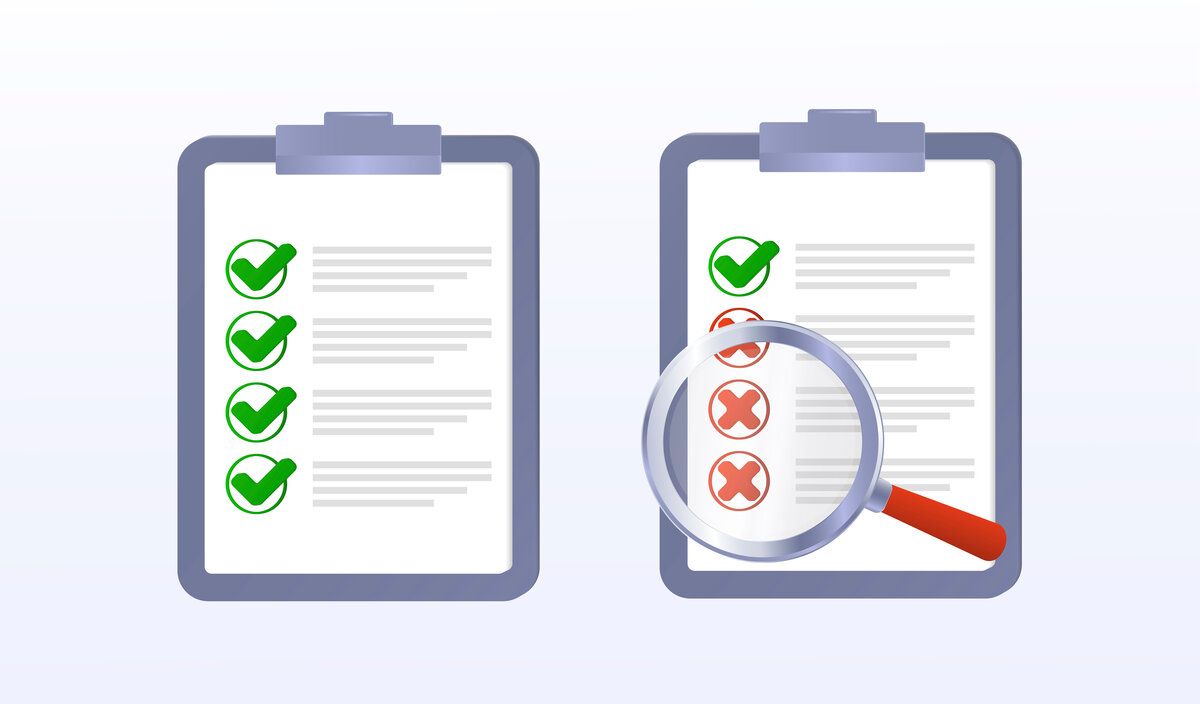
If you’re stuck on the “Sex Addiction vs High Libido” question, this quick side-by-side can help you notice patterns. It’s not a diagnosis. It’s simply a way to check in on control, time, consequences, honesty, and values. In other words, sex addiction vs libido is often less about how much you want sex and more about how much choice you feel.
Healthy High Libido vs. Compulsive Pattern
- Control & choice:
- With a high sex drive, sexual urges can be strong, but you can generally pause, delay, or decide, “Not today.” With compulsive sexual behavior, you may find it much harder to pause or change course, even when you want to. The behavior can begin to feel driven or difficult to control rather than like a choice you are freely making.
- Time & attention:
- Healthy sexual desire can be an important part of life without consistently taking time or energy away from other priorities. With compulsive sexual behavior, sexual thoughts or behaviors may begin to crowd out sleep, hobbies, friendships, exercise, work, or personal goals.
- Consequences:
- With healthy sexual desire, sexual experiences generally fit into your life without consistently interfering with your well-being. With compulsive sexual behavior, negative consequences—such as relationship conflict, missed responsibilities, financial difficulties, risky situations, or emotional distress—may continue to occur even when you want to change the pattern.
- Honesty & secrecy:
- Healthy sexuality can be private, and privacy does not automatically mean secrecy. However, a compulsive pattern may involve increasing efforts to hide sexual behaviors, such as deleting messages, using secret accounts, or maintaining parts of your sexual life that you feel you cannot disclose to a partner. Over time, this can create a sense of living a “double life” and contribute to distress or relationship difficulties.
- Values & agreements:
- Healthy sexual desire can fit within your values and relationship agreements, even if you are still figuring out what those boundaries look like. With compulsive sexual behavior, you may repeatedly find yourself acting in ways that go against your own boundaries, intentions, or agreements, followed by regret or distress.
2-minute Self-Check Questions
- Can I pause or delay sexual behavior when I choose, even when I feel turned on?
- Do I ever feel like I am on “autopilot,” engaging in sexual behavior even when I do not really want to?
- Is sex, pornography, sexting, or sexual apps taking time or attention away from sleep, work, school, relationships, or other priorities?
- Have I experienced the same negative consequences more than once and continued the behavior anyway?
- Do I find myself hiding or lying about my sexual behavior in order to continue it?
- Does my sexual behavior align with my values and relationship agreements, or do I repeatedly find myself acting in ways that leave me feeling like I am going against myself?
If most of your answers point to flexibility, it’s likely high libido. If they point to loss of control, secrecy, and repeated harm, that’s a sign that when sex feels compulsive may be worth addressing with support and new tools.
What Can Drive the Cycle: Stress, Mood, Porn, and Relationship Factors
Many people who experience compulsive sexual behavior describe a cycle that can look like urge → behavior → temporary relief → regret or distress. The urge may show up as physical tension or restlessness, or it may be connected to emotions such as anxiety, loneliness, shame, or overwhelm. Sexual behavior may provide a temporary sense of relief or comfort, which can make it more likely to become a familiar way of coping with difficult feelings. Later, regret, secrecy, shame, or other stressors may add to the distress and contribute to the cycle starting again. Over time, this pattern can begin to feel automatic or difficult to interrupt, even when you genuinely want something different.
Stress and mood can sometimes contribute to this cycle. When you feel overwhelmed, anxious, depressed, lonely, or bored, sexual behavior may become a familiar way to seek relief, comfort, stimulation, or distraction. Some people also notice that ADHD symptoms, a history of trauma, or other experiences can affect how they respond to distress or urges. This is not true for everyone, and these experiences do not automatically lead to compulsive sexual behavior. When they are part of the picture, understanding them can help explain why simply relying on willpower may not be enough to change the pattern.
Porn and novelty can be another factor. Easy access, endless variety, and constant new content can intensify urges for some people. Porn use isn’t automatically a problem. It becomes more concerning when it escalates, takes up lots of time, interferes with arousal with a partner, or feels hard to control.
Relationship dynamics matter, too. Conflict, emotional disconnection, mismatched desire, or unclear agreements can increase secrecy, resentment, or acting outside the relationship. This doesn’t mean a partner is to blame. It means your environment and stress level can affect your choices.
Substances and sleep: Alcohol/drugs and sleep deprivation can lower self-control and increase risk-taking.
Medical factors: Hormones, certain medications, and manic/hypomanic episodes can raise libido or impulsivity. If changes are sudden or extreme, a medical check-in is a smart next step.
Next Steps That Help: Coping Tools, Boundaries, and When to Get Support

If you’re sorting out Sex Addiction vs High Libido, it can help to focus less on “how much” and more on what helps you feel steady, honest, and in control. A high sex drive can be a healthy part of you. It becomes a problem when it shifts into compulsive sexual behavior that keeps harming your life or relationships.
If It is Healthy High Desire
- Normalize it
- Wanting sex often isn’t automatically a red flag.
- Talk about mismatches
- Use “I” statements (for example: “I feel closest when we’re intimate more often”).
- Try structure
- Scheduling intimacy can reduce pressure, guessing, and repeated rejection.
- Broaden closeness
- Add non-sex touch, date time, cuddling, and emotional check-ins so connection isn’t “all or nothing.”
If It Is Leaning Compulsive
- Track triggers
- Notice moods, times of day, apps, alcohol, or loneliness that show up before urges. This helps you spot patterns in when sex feels compulsive.
- Reduce high-risk situations
- Late-night scrolling alone, certain accounts, specific locations, or secrecy routines.
- Create a pause plan
- Try a 10-minute delay, slow breathing, grounding (name 5 things you see, 4 you feel, 3 you hear, 2 you smell, 1 you taste), or a short walk.
- Build replacement coping
- Journal for five minutes, call a friend, do a quick workout, take a shower, or work on a task that matters to you.
- Use digital boundaries
- Time limits, content filters, unfollowing trigger accounts, and a device-free bedroom can reduce reliance on willpower alone.
If you’re in a relationship, aim for repair and honesty. Pick a calm time to talk, make clear agreements, and avoid graphic details that cause extra harm. If safety is a concern, consider getting support before having a big conversation.
Consider professional help if there’s repeated loss of control, major distress, relationship damage, risky behavior, or depression/anxiety/substance use. A good starting point can be primary care, a licensed therapist (including sex therapy, CBT, or ACT), or a support group. If you’re at risk of self-harm, call or text 988 in the U.S..
Change is possible, and the goal is a healthier relationship with desire, not perfection.