



When Faith and Identity Collide
For many LGBTQ people, faith is not a simple subject. Some feel supported, grounded, and deeply loved in their religious life. Others feel hurt by certain teachings, community messages, or family responses connected to religion. Many hold both experiences at once, which can make this part of life feel especially confusing.
If this feels hard, you are not alone. When beliefs about sin, gender, sexuality, or belonging clash with a person’s sense of self, the impact can be more than ordinary stress. Some people notice fear, shame, panic, numbness, confusion, or a painful sense of being divided between faith and identity. They may still react strongly to sermons, prayer, family comments, or religious symbols even after leaving a community, or while trying to remain connected to it.
This is one reason the topic of religious trauma for LGBTQ people has become more visible. The phrase can describe trauma responses linked to harmful religious experiences, including spiritual abuse, religious shame and guilt, and pressure to reject or hide one’s identity. It can also include internalized homophobia, which means taking in negative messages about being gay, bi, queer, or otherwise LGBTQ and turning them inward.
The goal here is not to attack religion as a whole or debate theology. It is to help readers recognize patterns, put words to what they may be feeling, and consider options for healing, whether they are staying in their faith, leaving it, or moving through deconstruction and faith transitions.
What Religious Trauma and Spiritual Abuse Can Look Like
Religious trauma refers to lasting emotional, mental, or body-based stress responses connected to harmful religious experiences, teachings, or control. A person might feel panic during worship music, freeze when talking about sexuality, or carry shame long after leaving a faith community. For many, the harm is not one single event. It often builds over time through repeated messages, fear, and pressure.
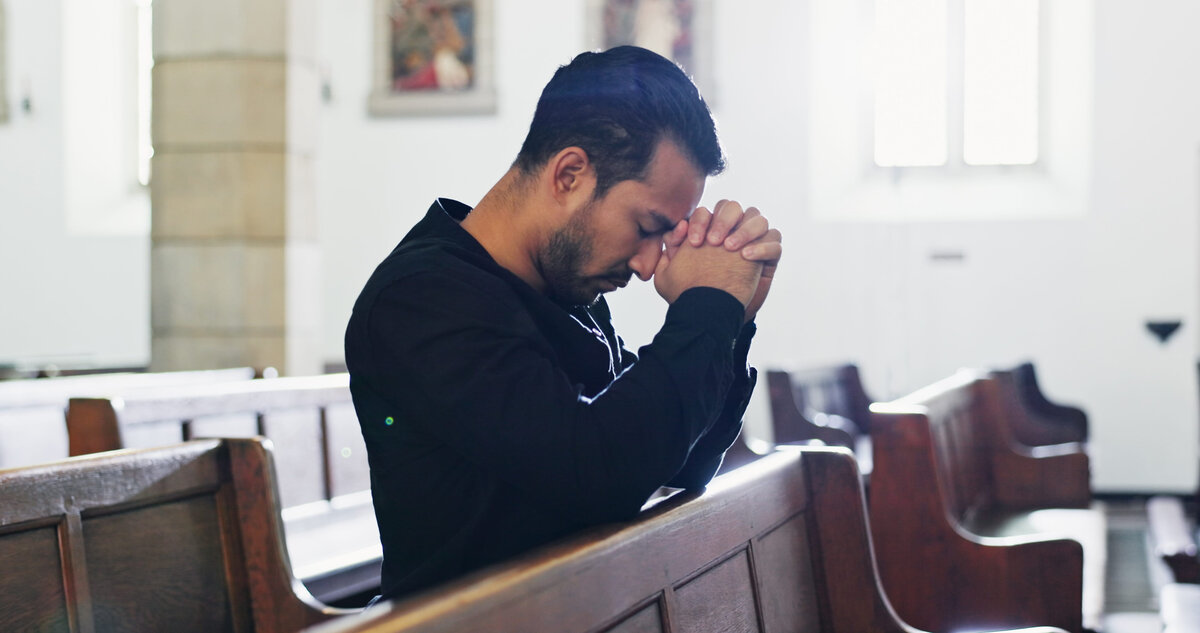
Spiritual abuse is different from personal faith. It happens when religious authority, beliefs, or fear are used to control, shame, isolate, or silence someone. That can include public shaming, threats of rejection, pressure to confess private thoughts, or warnings that being LGBTQ means punishment, abandonment, or hell. A person can value faith and still be harmed by the abusive use of religion.
Harm may come from sermons, family rules, school policies, counseling, or everyday comments that teach a person to mistrust their own mind, body, or identity. Many people also carry religious shame and guilt after hearing over and over that desire, gender expression, or same-sex relationships are dangerous or sinful. Over time, this can feed internalized homophobia or internalized transphobia.
Common Signs People Might Notice
- Hypervigilance: being on constant alert, as if danger could happen at any moment.
- Intrusive thoughts: unwanted upsetting thoughts, such as sudden fears about sin, hell, or punishment.
- Sexual shame: feeling dirty, afraid, or morally wrong because of attraction, desire, or your body.
- Dissociation: feeling disconnected from yourself, your body, or your surroundings.
- Relationship anxiety: fear of being rejected, exposed, controlled, or abandoned if others know who you are.
- Fear of punishment: a strong sense that honesty, pleasure, or self-acceptance will lead to harm.
These reactions can feel intense even when a person logically knows they are safe. For example, someone might hear a family member make a religious comment and feel their chest tighten right away. That does not mean they are overreacting. It may mean their nervous system learned to connect certain words or settings with danger.
How Shame Becomes Part of Identity
Identity conflict is the painful tension between who a person is and what they were taught they were allowed to be. For LGBTQ people, that can mean feeling pulled between faith, family, community, and a deep sense of self. A person may care about their beliefs and still feel harmed by messages that say their gender or sexuality is wrong.

It can help to separate guilt from shame. Guilt says, “I did something wrong.” Shame says, “Something is wrong with me.” That difference matters. Religious shame and guilt may begin with rules about behavior, then slowly turn into a belief that a person’s body, desires, or identity are bad at the core. When that happens over time, many people begin to hide parts of themselves even when no one is actively judging them.
Internalized homophobia and internalized transphobia mean taking in negative messages about LGBTQ identities and turning them against yourself. This might sound like, “I should not want this,” “No one could really love me if they knew,” or “I cannot trust my own feelings.” These beliefs can affect dating, intimacy, self-trust, body image, and the ability to feel safe in community.
These patterns can continue after someone leaves a faith group because the nervous system may still react to old cues. A phrase, song, sermon style, or family comment can bring back fear before the person has time to think. If this feels familiar, you are not weak or failing. Many people find that healing starts with naming these patterns without blaming themselves.
Why Leaving or Staying Can Both Feel Painful
For some people, healing includes staying connected to faith. For others, it includes stepping away. Neither path is simple. Deconstruction and faith transitions can involve questioning beliefs, changing churches or faith communities, leaving religion, or trying to rebuild a safer spiritual life.
Leaving may bring relief, but it can also bring grief, loneliness, and uncertainty about who you are without a familiar structure. Staying may protect important relationships or spiritual practices, yet it can also mean ongoing tension, pressure to hide, or fear of being judged. Mixed feelings are common. They often reflect real attachment and survival needs, not weakness.
Family ties can make these choices even harder. A person might worry about rejection, losing financial support, or being treated like a problem to fix. Some also grieve the loss of rituals, music, prayer, language, holidays, or the sense of belonging that once felt steady. Others live in in-between spaces, such as attending services for family while privately questioning teachings or searching for a more affirming community.
If you feel torn, that makes sense. Many people are not only sorting out beliefs. They are also trying to protect relationships, safety, housing, finances, and connection.
Small Steps that Can Help in the Moment
If a comment, sermon, memory, or family conversation brings up fear or shame, small coping steps may help your body settle enough to choose what to do next. These tools are low-risk and meant for everyday support. If a tool makes you feel worse, stop and try something gentler or use it later with support.
1. Grounding Through the Senses
When to use it: When intrusive thoughts, panic, or a trauma response makes the present moment feel far away.
How to do it:
- Name five things you can see.
- Name four things you can feel, such as your shoes, chair, or sleeve.
- Name three things you can hear.
- Name two things you can smell.
- Name one thing you can taste, or take a sip of water and notice it.
This can help remind your body that you are in the present, not back in an earlier painful moment.
2. A Quiet Grounding Check-in
When to use it: During a service, family gathering, or religious setting that brings up panic, numbness, or shame.
How to do it:
- Press both feet into the floor.
- Look around and name five things you can see.
- Loosen your jaw and shoulders.
- Say to yourself, “I am here right now.”
- If it feels right, text one safe person afterward.
A simple script can also help: “I need a quick break. I’ll be back in a few minutes.”
3. Take a Boundary Pause
When to use it: When someone starts debating your identity, pressuring you, or using shaming religious language.
How to do it:
- Notice early signs of activation, like a tight chest, shaking, or going numb.
- Step away if you can, even for two minutes.
- Use a short script.
- Check what feels safest next: return, change the topic, text a support person, or leave.
Example: “I’m not able to discuss my sexuality in this way. I’m going to step outside for a few minutes.”
4. Do a Shame Check
When to use it: When religious shame and guilt or internalized homophobia shows up after dating, prayer, sex, or setting boundaries.
How to do it:
- Write the painful message in one sentence.
- Ask, “Whose voice does this sound like?”
- Ask, “Is this fully true, partly learned, or fear talking?”
- Replace it with a more accurate statement.
Example: Replace “I am broken” with “I learned to fear my identity, but my identity is not a moral failure.”
5. Try Body-Based Settling
When to use it: When you feel frozen, detached, or flooded after a trigger.
How to do it:
- Press both feet into the floor for ten seconds.
- Hold a cool object, like a water bottle or keys.
- Unclench your hands and jaw.
- If it feels okay, exhale longer than you inhale for three rounds.
If breathing exercises increase distress, skip that part and stay with the physical grounding only.
Finding Support that Respects Both Safety and Choice
Longer-term support can look different for each person. Some people want help leaving a harmful setting. Others want support staying connected to faith in a way that feels safer and more honest.

LGBTQ-affirming therapy means care that does not treat LGBTQ identity as the problem. Instead, the therapist understands how shame, fear, exclusion, spiritual abuse, and family rejection can affect the nervous system, relationships, and self-trust. If your distress feels intense, daily life is getting harder, or coping alone no longer feels manageable, consider reaching out for professional support.
Questions to Ask When Looking for Support
- Do you have experience working with LGBTQ clients around religious trauma, identity conflict, or family stress?
- How do you approach spiritual abuse, religious shame and guilt, or internalized homophobia?
- Have you supported people through deconstruction and faith transitions?
- Do you work in a way that respects both personal safety and spiritual choice?
A simple first message can make the process feel more manageable: “Hi, I’m looking for support around religious shame, identity conflict, and family stress. Do you have experience working with LGBTQ clients in this area?”
Many people also find support outside therapy. Peer groups can reduce isolation. Affirming faith communities may help if spirituality still matters to you. Trusted friends, journaling, and rest from triggering environments can also help your system settle.
If You Need Urgent Help
If you’re in immediate danger or thinking about harming yourself, call local emergency services or a crisis hotline in your country. In the U.S., call or text 988, the Suicide and Crisis Lifeline.
Key Takeaways
- Religious trauma can affect LGBTQ people through fear, shame, panic, numbness, and conflict between identity and belief.
- Spiritual abuse is not the same as faith. It involves using religion to control, shame, isolate, or silence someone.
- Religious shame and guilt, internalized homophobia, and internalized transphobia can continue even after a person leaves a harmful setting.
- Deconstruction and faith transitions can bring both relief and grief, including family stress, community loss, and uncertainty about belonging.
- Low-risk coping tools like grounding, boundary scripts, shame checks, and body-based settling may help in difficult moments.
- LGBTQ-affirming therapy, peer support, and safer faith spaces can support healing without forcing a person to choose between identity and spiritual life.