

A New Definition of Strength
Men grow up receiving all sorts of messages about what they can and cannot do when it comes to emotions and vulnerability. Thankfully, those messages are beginning to be challenged, as the United States has shown an increase in men seeking mental health treatment. According to Panchal and Lo (2024), mental health treatment across demographic groups has increased significantly between the years 2019 and 2022, including for men.

With Men’s Mental Health Awareness Month having just passed in June, this blog is going to highlight contributing factors to mental health issues for men, barriers to seeking care, and ways that loved ones can help to support so that men/boys can seek adequate mental health care without believing they are any less for it.
The Importance of Men’s Mental Health
According to the Centers for Disease Control and Prevention ([CDC] 2025), 80% of the suicide deaths in the United States occurred in males. That’s not because males experience higher rates of suicidal ideation or symptoms of suicidality, but because males are less likely to seek mental health care, combined with increased social isolation, higher engagement rates of substance use, and using more lethal means (CDC, 2025).
Additionally, the messages males often receive are that they need to handle things all on their own in order to uphold others’ expectations and truly be “a man.”

As a daughter, sister, mother, and wife, I feel very passionately about bringing awareness to this silent suffering largely as a result of cultural norms surrounding masculinity, especially since these messages are often conflicting. Challenging these messages as a loved one can mean the difference between untreated depression, anxiety, negative self-esteem/body image, and more.
Messages Boys and Men Receive
“Boys don’t cry”, “man up”, and “be strong” are common messages that boys/men receive from the beginning of their childhood and throughout their lifetimes.
Unfortunately, while these are common societally gender influenced messages that constantly bombard men/boys, these messages are not just conveyed in schools, workplaces, or social media. Oftentimes, these messages are communicated right in the comfort of their own homes.

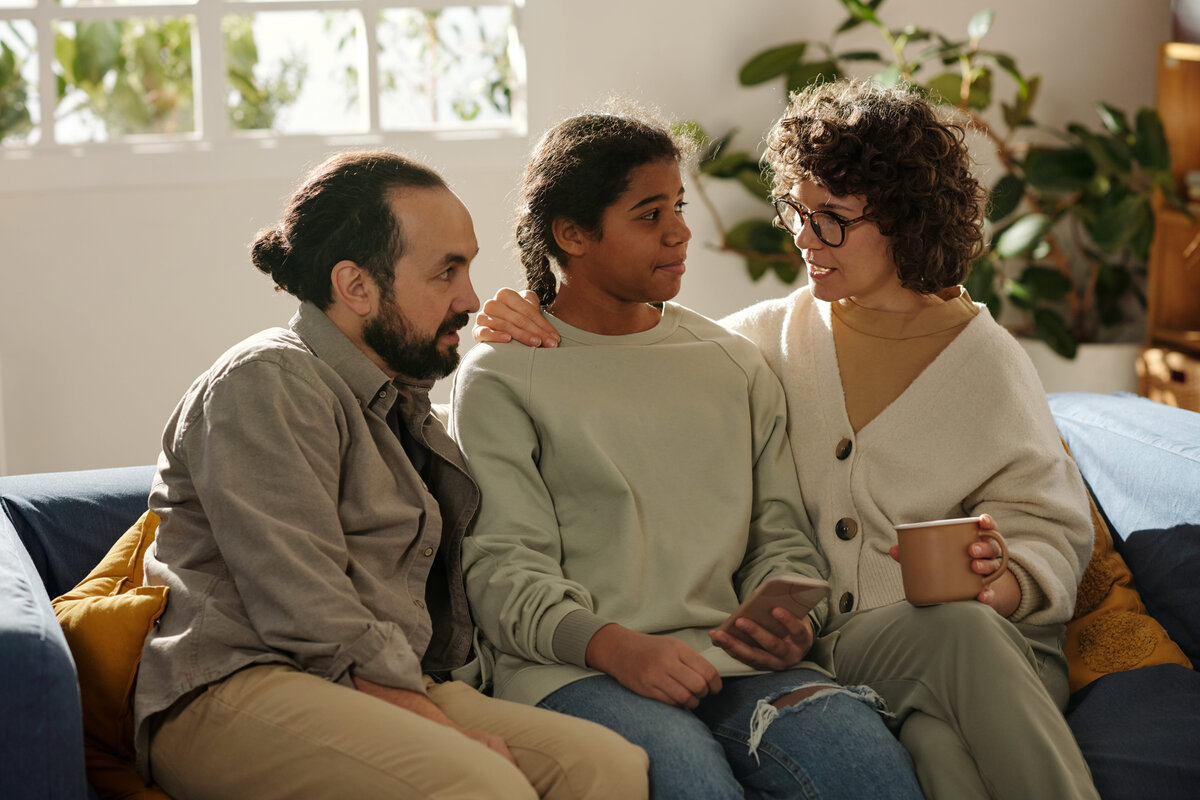
Parents, siblings, partners/spouses, and friends, despite good intent, can send signals that make it difficult for men/boys to have a strong sense of belonging, confidence, and self-worth.
Warning Signs to Look For
There are common warning signs to look out for that might indicate mental health struggles for men/boys.
Irritability or anger, changes in sleep or appetite, withdrawal or isolation from loved ones, loss of interest in activities, increased substance use, or working excessively can all be signs of suppressing difficulties.

Additionally, because men/boys oftentimes try to avoid bringing any of these things as a greater problem or issue at all, that might mean a need for increased gentleness and care when addressing these symptoms.
How Loved Ones Can Help
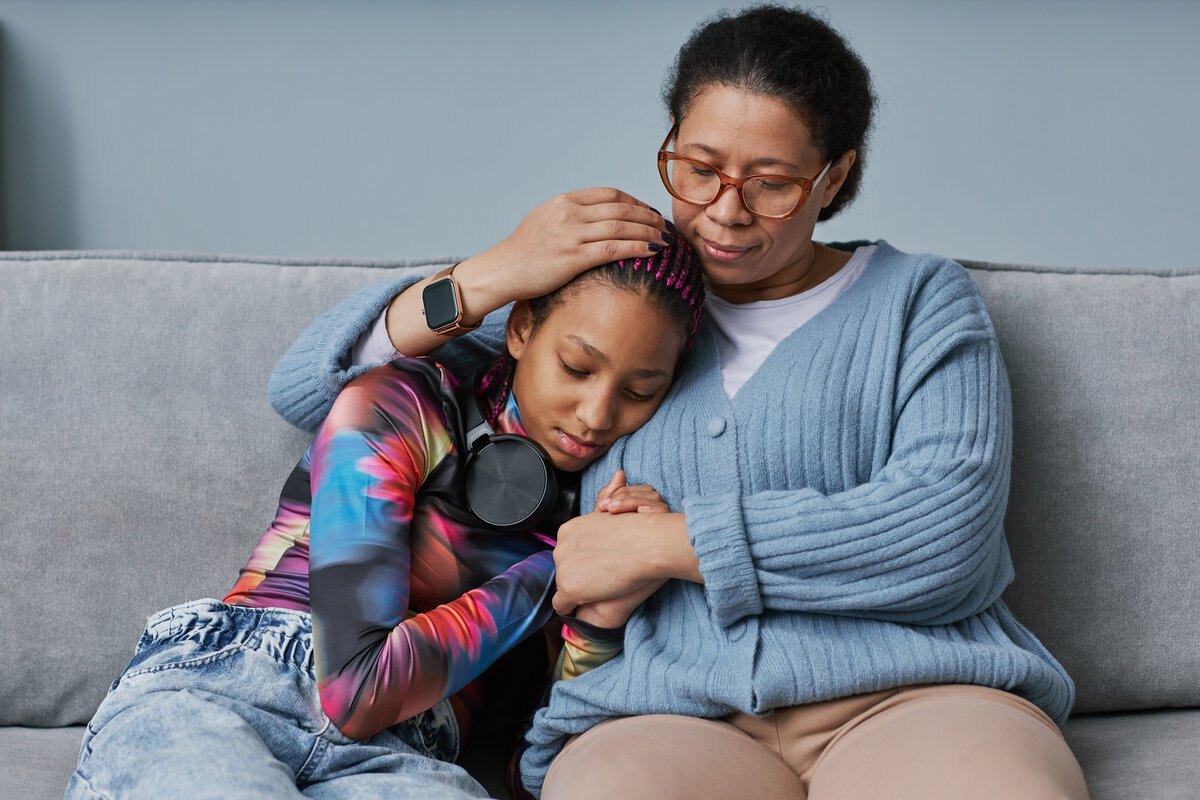
Some ways to be supportive of the boys and men in your life when acknowledging mental health struggles are to check in, stay present, and normalize emotions.
It may sound simple, but by not avoiding their emotions, shifting the emotional focus, or personalizing their emotions, we can create an emotionally safer room.

Attention shifting towards the reassurance of someone else, addressing another person’s interpretation of a situation, or focusing on how the other people have been impacted by an experience is a sentiment that I professionally hear about frequently from men that is frustrating or discouraging.
Checking in means genuinely asking how they’re doing, asking open-ended questions, and being accepting of the emotions that are brought to the table, even if they are uncomfortable.
Generally, there is no intent to communicate shame or minimize the emotions experienced by men by loved ones, but the subtle cues of body language, tone of voice, and sometimes direct expressions of emotional discomfort in a moment of vulnerability can quickly shatter any little bit of trust potentially given.
This can lead to further suppression of and permeated beliefs about emotional safety when, given the stats, our men/boys so clearly need it.
Creating Change
Every person deserves respect, compassion and safety.

When men and boys are given the ability to share their emotions without fear of being dismissed, compared, or redirected, they are more likely to develop emotional awareness, healthy relationships, and resilience.
The quote, “Be the change you wish to see in the world,” resonates here as we can all do our best to model emotional attunement, care, and empathy so that mental health advocacy prevails.
References
Centers for Disease Control and Prevention. (2025). Suicide data and statistics. https://www.cdc.gov/suicide/facts/data.html
Panchal, N., & Lo, J. (2024). Exploring the rise in mental health care use by demographics and insurance status. KFF. https://www.kff.org/mental-health/exploring-the-rise-in-mental-health-care-use-by-demographics-and-insurance-status/
Written 7/20/26