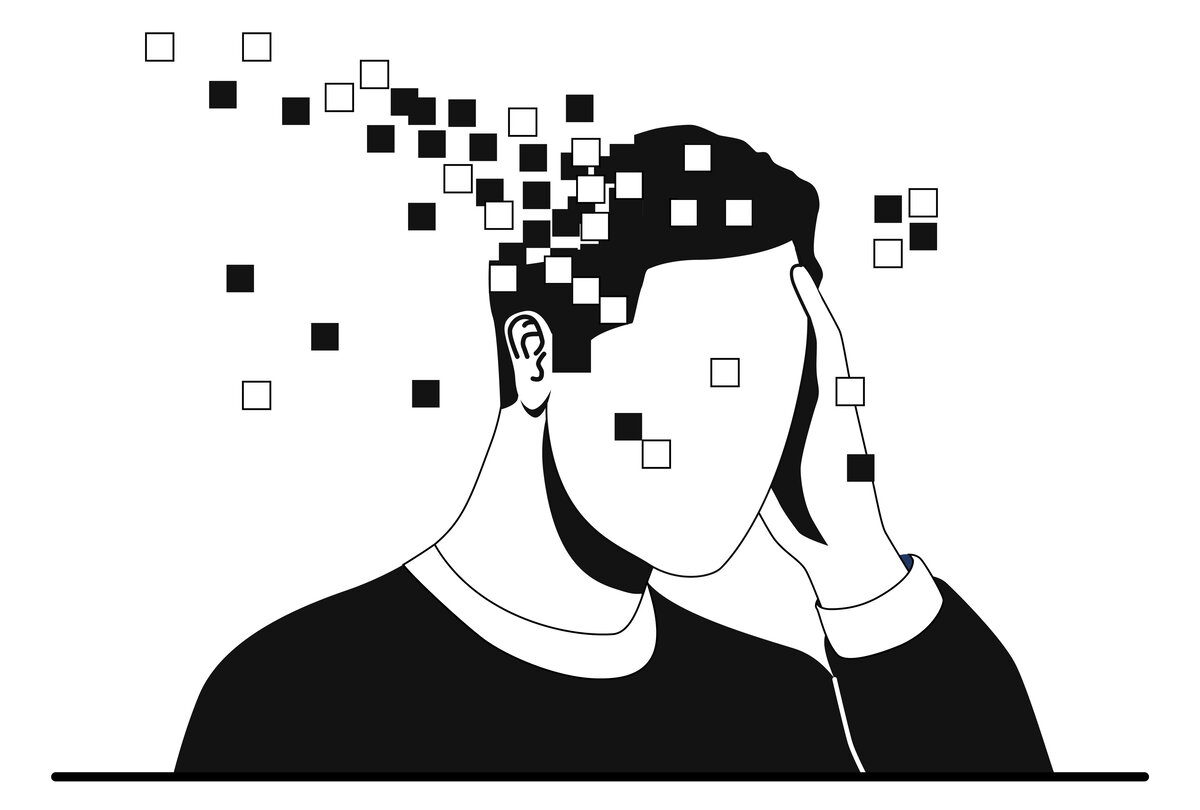



When Worry Starts to Take Over the Relationship
Many adults carry a quiet, painful question in close relationships, “Is something actually wrong, or is my mind filling in the blanks?” If that feels familiar, you are not alone. A lot of people wonder whether they are noticing real problems, reacting from old fear, or getting caught in both at the same time.
Anxiety in relationships can show up as fear, doubt, or a constant sense of alertness that makes connection feel less steady, even when there is no clear crisis. You might notice yourself scanning for changes in tone, replaying conversations, needing repeated comfort, or going quiet so things do not get worse. These can be common signs of relationship anxiety, not proof that you are “too much” or failing at love.
Closeness can stir up old hurts, stress responses, and a strong sensitivity to change. For many people, that does not mean anything is broken. It often means the nervous system is trying to protect them, even if the strategy is no longer helping. In couples, this can create anxious relationship patterns where one person reaches for reassurance and the other pulls back, leaving both people feeling alone.
The goal is not to prove who is right in every moment. It is to slow the spiral enough to tell the difference between fear and fact. Once the pattern becomes easier to see, many people find it easier to respond with more steadiness and less shame.
Signs that Anxiety may be Affecting the Connection
Sometimes the first clue is not a major fight. It is a buildup of small moments that start to feel heavy. You might read into a delayed text, replay a short conversation for hours, or study your partner’s face and voice for tiny shifts. A neutral “okay” can suddenly feel cold. A busy day can start to feel like rejection.
This can be part of hyper-vigilance, which means being on high alert for danger, even subtle danger. For many people, hyper-vigilance looks like watching for signs that something is wrong before there is clear evidence. When that happens, neutral events can start to feel loaded.
You ight notice yourself:
- Testing a partner to see if they really care
- Asking the same question in different ways to feel sure
- Pulling away before you can be hurt
- Shutting down when emotions feel too intense
- Starting conflict right after a calm or close moment because the calm itself feels hard to trust
These patterns can be confusing for both people. You might want closeness badly, then feel smothered once you get it. You might ask for reassurance, then doubt it as soon as it is offered. Your partner may feel like nothing they say lands, while you feel more and more alone. Often, this push-pull pattern says more about fear and protection than about a lack of love.
That does not automatically mean the relationship is unhealthy. It does mean the pattern can create strain if it goes unaddressed.
A small trigger can grow quickly
At 11 a.m., Maya texts, “How’s your day?” Her partner does not reply for three hours because of meetings. By 2:30, Maya has gone from “They’re busy” to “They’re upset” to “They’re pulling away.” When the reply finally comes — “Sorry, slammed today” — she answers, “It’s fine,” but stays tense. That night, she says, “If you cared, you would have made one minute for me,” and the conversation turns into a fight about effort, trust, and whether anything is ever enough.

For many people, this kind of escalation feels sudden. But there were usually several steps in between. That is why it can help to slow the pattern down and name each part.
The Reassurance-Seeking Cycle, Step by Step
Reassurance-seeking cycles are repeated attempts to feel certain by checking, asking, texting, reviewing, or testing, followed by only brief relief. For many people, the goal is not attention or drama. It is a fast drop in fear. The hard part is that the relief often fades quickly, which can make the doubt come back even stronger.
In real time, the cycle often looks like this: a trigger happens, the mind creates a story, the urge to get certainty rises, you check or ask, you feel better for a moment, and then a bigger doubt shows up. The brain can start to learn that certainty is urgent, so it keeps demanding more, even when reassurance was just given.
- Trigger: Something small happens, like a delayed reply, a flat tone, or less eye contact than usual.
- Story: The mind fills in the blanks with a fear-based explanation. “They sounded short. Maybe they are upset. I should ask. If I do not ask now, I will not be able to focus.”
- Urge: Anxiety pushes for action right away, often through texting again, rereading messages, or replaying the last conversation.
- Checking or asking: You might ask, “Are we okay?” check social media, ask for proof of love, or reopen the same conflict late at night.
- Temporary relief: Your partner says, “We’re fine,” sends a heart emoji, or explains their tone, and your body settles for a short time.
- Bigger doubt: Soon the mind questions the answer: “Did they mean it?” “Were they just trying to end the conversation?”
In couples, this pattern can leave both people exhausted. One person may feel desperate for comfort, while the other may feel pressured to keep proving the same thing. If this feels familiar, consider treating it as a pattern to notice, not a character flaw to judge.
Overthinking Versus Real Concerns: How to Reality-Check the Story
Not every worry is “just anxiety.” Sometimes there are real mismatches, broken agreements, or repeated behaviors that deserve attention. The goal is not to talk yourself out of every concern. It is to sort what is observable from what fear may be adding in the moment.
One helpful tool is a two-column reality check. In the first column, write facts. In the second, write story. “Story” includes fears, guesses, and mind-reading, which means assuming you know what another person thinks or feels without enough evidence.
Tone can matter, but tone analysis alone is usually not as solid as direct words, repeated actions, clear agreements, or concrete events. This exercise often helps create a little space between what happened and what your mind is predicting, especially if you tend to get stuck overthinking relationships.
How to do the two-column reality check
- Draw two columns.
- Label one “facts” and the other “story.” If your mind is racing, consider keeping each side short so the exercise feels manageable.
- List only observable facts.
- Include direct words, repeated actions, clear agreements, and concrete events.
- Example: “They replied three hours later and said work was hectic.”
- Include direct words, repeated actions, clear agreements, and concrete events.
- Name the story separately.
- Write the fear without arguing with it.
- Example: “They are losing interest.”
- Write the fear without arguing with it.
- Ask one grounding question.
- Try: “What else could be true?” For many people, this opens space without forcing fake positivity.
- Decide whether action is needed.
- If the concern is based mostly on story, you might wait, ground yourself, or ask one direct question later. If the concern is based on repeated facts, it may help to bring it up clearly.

Here is a Simple Example:
- Fact: They replied three hours later and said work was hectic.
- Story: They are losing interest.
- What else could be true: They were in meetings, distracted, or tired.
- Next step: Wait until later and ask one direct question if the concern is still there.
This tool may not work for everyone, especially in the middle of intense distress. If it increases overwhelm, scale back and return to it later, or discuss it with a clinician if that feels right for you.
A 10-minute Pause Script for Moments When the Spiral Hits
A pause is a short, agreed break to lower intensity so the conversation can continue more safely. It is not the same as avoiding the issue or walking away without a plan. For many people, this helps when emotions move outside the window of tolerance — the range where you can feel emotions without getting overwhelmed or shutting down.
When someone is outside that range, the goal often shifts from solving the problem to protecting themselves. That can make overthinking, reassurance loops, and shutdowns worse. A short pause often works best when both people know ahead of time what it means and when the conversation will restart.
If this feels right for you, consider agreeing on a short pause before the next hard moment. If pausing feels abandoning to either partner, you can shorten the time and make the return plan more specific.

- Notice the shift and name it.
- Say what is happening in simple words: racing thoughts, a blank mind, a sharp tone, or the same question repeating. For many people, naming the moment helps slow the spiral.
- Ask for the pause with a clear return time.
- Use one sentence that says what is happening, what you need, and when you will come back.
- For example: “I am getting flooded and I do not want to say something hurtful. Can we pause for 10 minutes and come back at 7:20?”
- Use one sentence that says what is happening, what you need, and when you will come back.
- Regulate your body with one grounding action.
- Pick one small action, not five: drink cold water, put both feet on the floor, hold an ice cube, or name five things you can see. If breathing exercises increase distress, consider choosing a different grounding tool.
- Return at the agreed time.
- Coming back matters. It helps the pause feel safer and more trustworthy.
- Share one feeling and one need.
- Keep it brief at first.
- For example: “I feel scared and embarrassed. I need a slower conversation and one direct answer.”
- Keep it brief at first.
Many people find that this kind of pause works better than trying to force clarity while flooded. It may not resolve the issue right away, but it can reduce harm and make the next part of the conversation more honest.
How Couples Can Support Each Other Without Feeding the Loop
Support often works best when it is steady, kind, and limited, rather than endless reassurance in the heat of the moment. Repeated checking and repeated answering can accidentally strengthen reassurance-seeking cycles. One person feels briefly calmer, the other feels more pressure, and the fear returns again.
If this feels right for you, consider making a simple couple’s agreement during a calm moment, not during a fight. The goal is not to withhold care. The goal is to offer care in a way that protects emotional safety and does not keep the spiral going. This can be especially helpful when anxiety in couples starts to shape the same arguments again and again.
A Simple Agreement to Use Together
- Choose what helps.
- Pick a few responses that feel grounding and respectful.
- Examples: “I care about you, and I want to talk when we are both calmer.” “I can answer once, but I do not think repeating it will help right now.”
- Pick a few responses that feel grounding and respectful.
- Name what does not help.
- Identify phrases that often increase shame or panic.
- Examples: “You are overreacting.” “This again?” “Nothing is ever enough for you.”
- Identify phrases that often increase shame or panic.
- Set a time limit for reassurance.
- Many people find it useful to spend 10 to 15 minutes on reassurance, then switch to grounding or problem-solving. If one person feels flooded, consider taking a pause and agreeing on when to return.
- Use one direct question at a time.
- This often works better than asking the same question in several forms.
- Focus on the present issue.
- If possible, avoid stacking old hurts onto the current moment unless both people agree that is the topic.

Mini-Template to Fill Out in A Calm Moment
- When one of us gets triggered, the most helpful first response is: ____________________
- One sentence we agree to avoid is: ____________________
- We will spend about ____ minutes on reassurance before we switch to grounding, a pause, or problem-solving.
- Our return line after a pause is: “Let’s come back to this at ____.”
- One direct question we can ask is: ____________________
For many couples, having a plan reduces panic because both people know what to expect. It also helps separate support from the urge to chase certainty for hours.
What Shutdown Can Mean
Not everyone responds to fear by asking for more contact. Some people go quiet, feel numb, or seem far away. This is often called a shutdown. It can look like staring off, forgetting what you wanted to say, feeling suddenly tired, or not being able to access words at all.
Shutdown is not always indifference. For many people, it is a stress response. The nervous system may be trying to reduce overwhelm by pulling back. From the outside, though, it can look like not caring, which can intensify the other partner’s fear.
If shutdown is part of the pattern, it may help to name it gently. A person might say, “I am here, but I am shutting down and need a few minutes to come back.” The other partner might respond, “Okay. Let’s pause and return at 7:20.” Small, clear language often works better than trying to explain everything while overloaded.
If a person regularly goes blank during conflict, a shorter conversation, slower pace, or written follow-up may help. This may not work for everyone, but many people find that reducing intensity makes it easier to stay present.
When it May be More than a Spiral
Sometimes fear and overthinking are part of a stress pattern. Sometimes they are reacting to something that truly does not feel safe. Some signs should not be explained away as nerves: controlling behavior, threats, intimidation, repeated lying, coercion, isolation from friends or family, or feeling afraid of your partner’s reaction.
Chronic contempt, repeated boundary violations, and feeling unsafe during conflict also deserve attention, even if one partner also struggles with anxiety. Anxiety can make a hard moment feel louder, but it does not erase harmful behavior. If you find yourself shrinking your needs, changing your words to avoid backlash, or walking on eggshells, that is worth taking seriously.
It may help to reach out for professional support if the same patterns keep returning, daily life is getting smaller, panic or shutdowns happen often, or the relationship feels stuck despite good-faith effort from both people. For many people, individual therapy, couples therapy, or skills-based support can offer structure and a safer place to sort out what is happening. This is not a quick fix, and it may not be the right path for everyone, but you do not have to figure it out alone.
If you’re in immediate danger or thinking about harming yourself, call 988 (Suicide and Crisis Lifeline) or your local emergency services.
Key Takeaways
- Overthinking, reassurance loops, and shutdowns are common stress responses. They can be painful, but they are not proof that you are failing at love.
- Many signs of relationship anxiety and other relationship anxiety signs make more sense when you see them as protection strategies rather than personal flaws.
- A simple reset often starts with three steps: pause, sort facts from story, and return to the conversation with one feeling and one need.
- Support usually works better when it includes both care and limits. One kind answer, a short check-in, and a clear pause plan often help more than hours of repeated reassurance.
- Not every concern is “just anxiety.” Repeated dishonesty, control, intimidation, or feeling unsafe are warning signs that deserve serious attention.
- If these patterns keep repeating or the relationship feels stuck, consider reaching out for professional support. Small, steady steps often matter more than perfect ones.